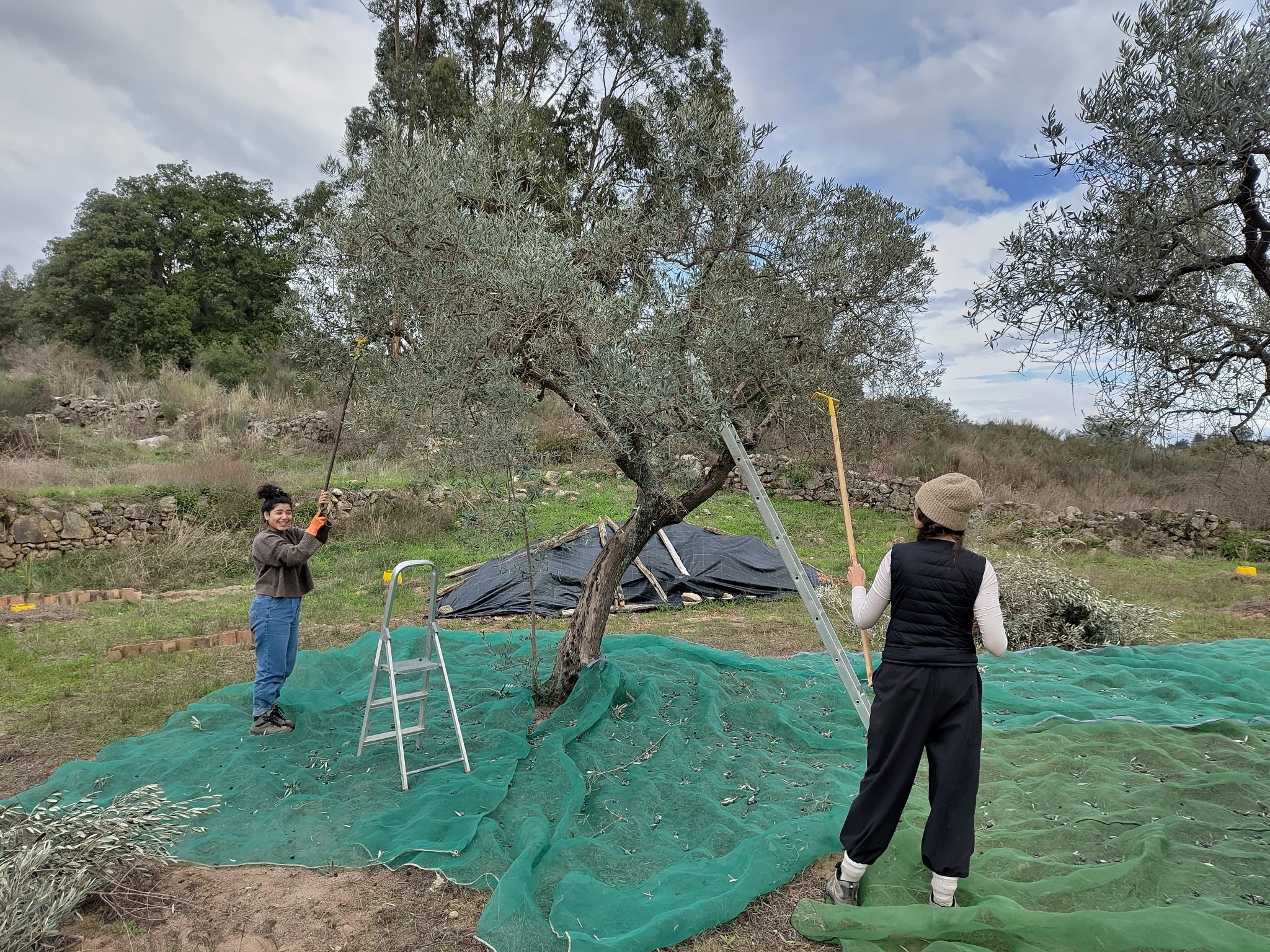
At our farm, nothing from the olive tree is wasted. From timber and leaves to fruit and oil, every part has value. The olive tree is not just a crop — it is a complete system.
Olive tree
Timber & Prunings
Each winter, pruning provides a valuable supply of wood that can be used in many ways.
Fuel & Heat
Firewood – dense, slow-burning and long-lasting
Kindling
Charcoal
Smoking wood for food
Craft & Practical Uses
Kitchenware such as spoons and chopping boards
Furniture
Tool handles (such as axe handles)
Wood and leather treatments
Sawdust for compost toilets and animal bedding
Mulch & Soil
Woodchip mulch for garden systems (Note: We do not mulch directly around olive trees with olive leaves, branches, or woodchips.)
Olive Leaves
Olive leaves are rich in natural plant compounds and have been valued in Mediterranean traditions for centuries.
Used as animal fodder – our sheep love fresh prunings
Naturally supportive against parasites, helping reduce reliance on medicinal dewormers
Dried for homemade tea blends
Used in traditional herbal preparations
Added to compost systems
Olives
Raw olives are too bitter to eat straight from the tree, but once cured they become delicious table olives.
They are also the sole ingredient needed to produce olive oil.
Olive Oil
Olive oil is one of the most versatile natural products we produce.
Household & Body Care
Soap bars
Liquid soap
Simple oil lamps and candles
Massage oil
Lip balm and moisturisers
Natural treatment for wooden kitchenware
Food & Preservation
Cooking and dressings
Preserving foods such as sun-dried tomatoes, pesto and sardines
Carrier oil for herbal infusions
By-Products
The leftover pulp and skins from pressing (olive pomace) are excellent additions to compost, returning nutrients and organic matter back to the soil.
Flowers
Olive flowers play a vital ecological role in pollination. Some traditions use them in teas or herbal preparations, although we do not currently use them on the farm.
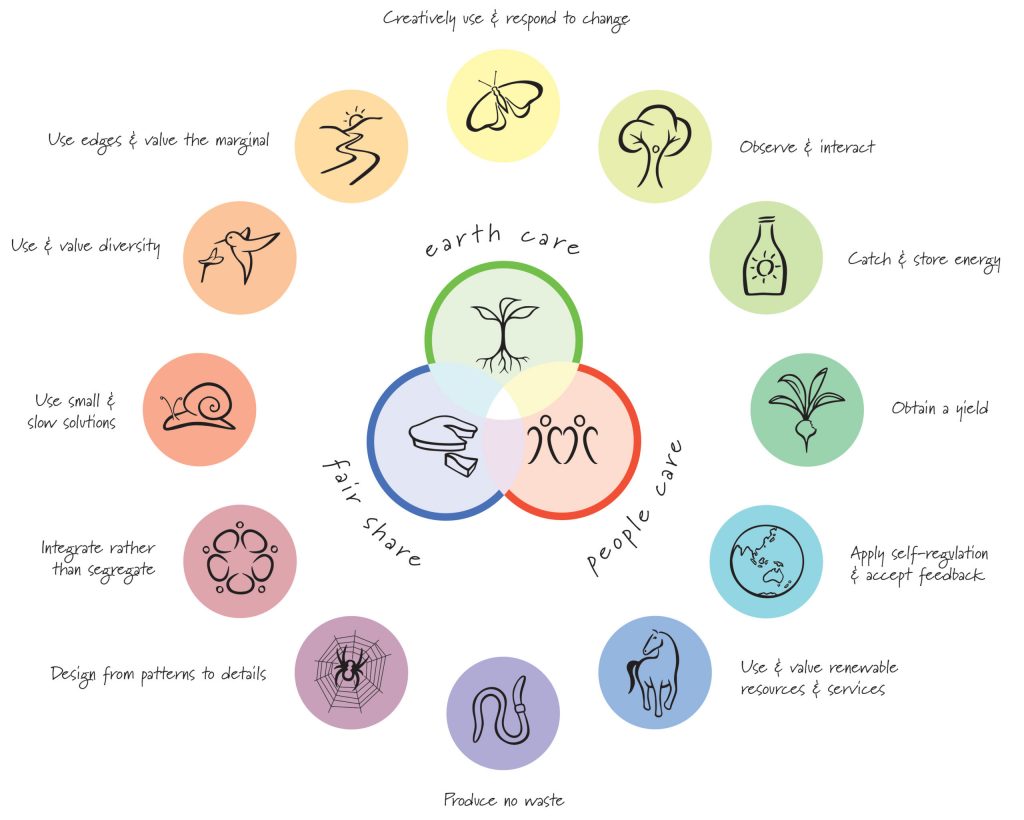
The olive tree is a symbol of resilience — long-lived, drought-tolerant, and deeply rooted in Mediterranean culture. By using every part of the tree, we honour that resilience and close the loop within our farm system.
Related Posts:
Breed Worms Like a Pro by Laurence Manchee December 9, 2024 This article was published in Permaculture Magazine. I have a subscription to this magazine and can highly recommend it. Click here to subscribe to Permaculture…
Permaculture Apprentice Portugal by Laurence Manchee December 9, 2024 Established permaculture farm Permaculture Apprentice Welcome to the Permaculture apprenticeship program in Portugal. Join our Permaculture community and deepen your skills in community management, permaculture…
Planting a salad garden by Laurence Manchee March 25, 2023 This blog post is to help you plan, design and maintain your salad garden for a continued supply of salad all year. This article was…
Certificate in Applied Permaculture Design - A… by Laurence Manchee December 21, 2023 A Foundation to the Diploma Certificate In Applied Permaculture Design A new residential permaculture design and sustainable smallholding training. Leading to the Certificate in Applied…
Permaculture Design Certificate by Laurence Manchee March 15, 2023 Established permaculture farm Permaculture Design Certificate Portugal Welcome to the Permaculture Design Course in Portugal, offered by Keela Permaculture Farm! Our course is designed to…
How to manage invasive Mimosa trees by Laurence Manchee April 18, 2025 How to manage mimosa and invasive species trees. How to kill mimosa trees and what uses do mimosa trees have. How to Kill mimosa The…