A lot of people hear “permaculture” and think it just means growing vegetables in a slightly hippie way and often ask What is Permaculture Design. It is the part that actually makes it work — it’s the difference between planting things randomly and building a system where the elements support each other.
This post is a quick rundown of what is permaculture design, the main frameworks people use to do it, and a book to start with if you want to learn properly.
Permaculture design is the process of deciding where things go and why, based on how they interact — not just what to plant. It’s a planning method that looks at energy flows, water, sun, wind, access, and the relationships between elements (chickens near the garden for pest control and manure, a pond below a slope to catch runoff, that sort of thing) before a single plant goes in the ground.
The core idea is that a well-designed system needs less input (less watering, less weeding, less feeding) because the elements are doing work for each other. Badly designed systems fight you constantly. That’s usually the actual difference between a permaculture site that thrives and one that’s just an organic garden with extra steps.
The main frameworks
There are a few structured approaches that keep coming up in permaculture design courses, including the one we teach:
Zones and Sectors – Probably the most well-known framework. Zones (0 to 5) organise the site by how often you need to visit an element, from the house (zone 0) out to wild, unmanaged land (zone 5). Sectors map the external energies moving through the site — sun path, prevailing wind, water flow, fire risk, noise, views — so you can place things to catch the good ones and block the bad ones.
The Design Process (SADIMET / OBREDIM) – A step-by-step method for approaching any design: Survey, Analysis, Design, Implementation, Maintenance, Evaluation, Tweak (there are a few versions of the acronym, but the logic is the same). It stops people from jumping straight to “where do I put the fruit trees” before they’ve actually looked at the site properly.
The Design Principles – A set of guiding principles (from people like David Holmgren and Bill Mollison) such as “observe and interact,” “catch and store energy,” “use edges and value the marginal,” and “produce no waste.” These aren’t a step-by-step method like the ones above — they’re more like a checklist you hold in your head while designing, to catch bad decisions early.
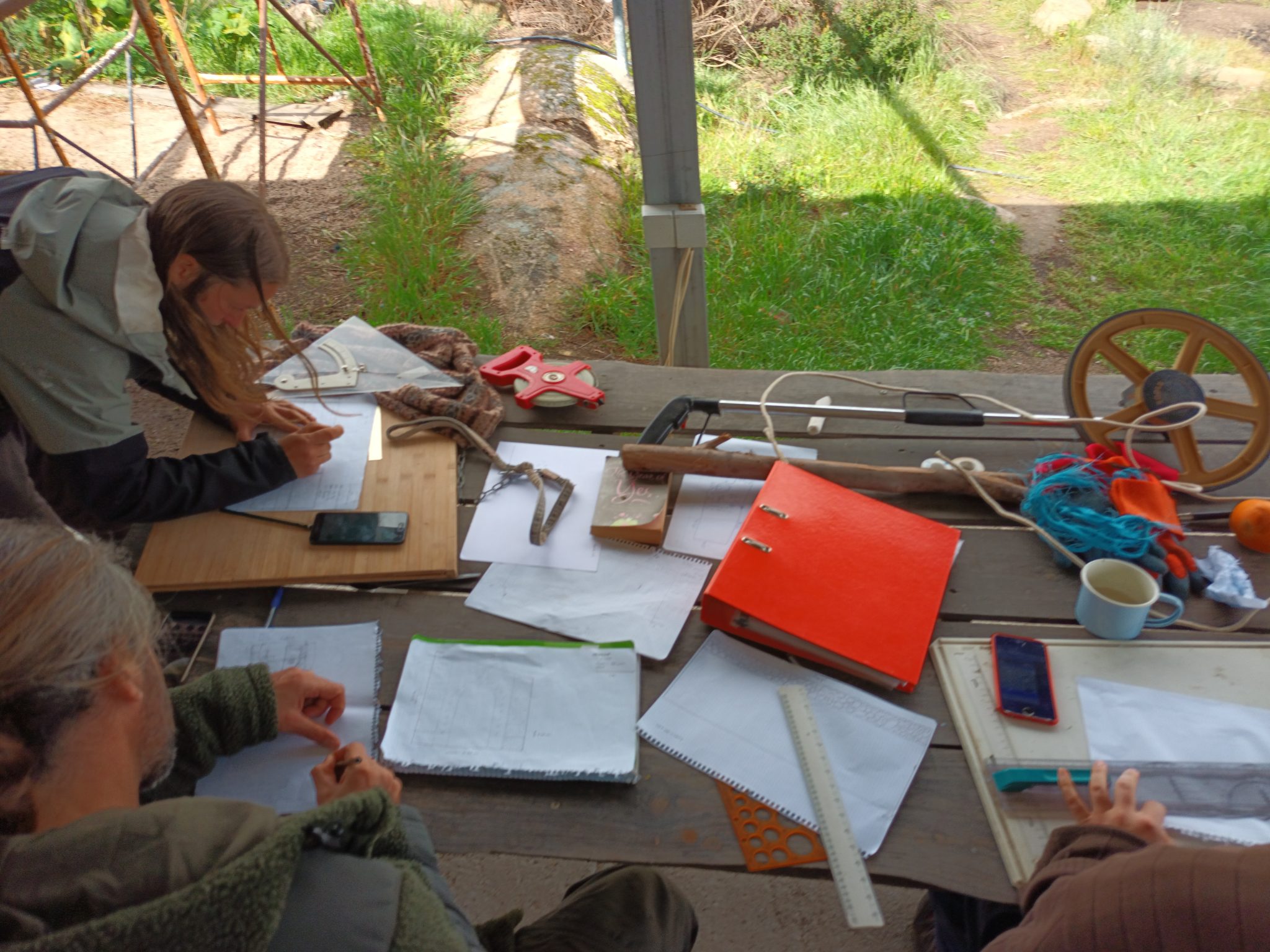
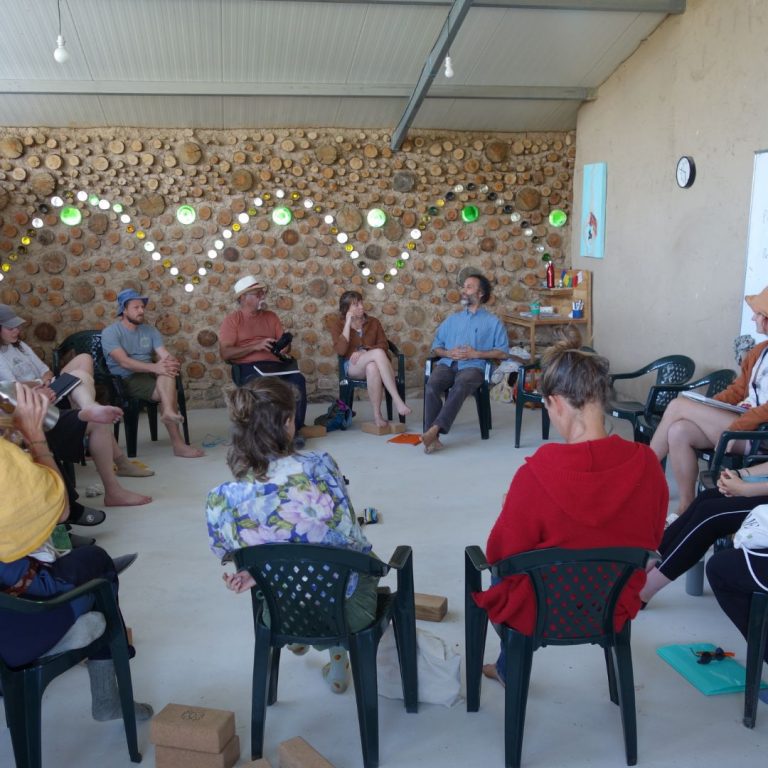
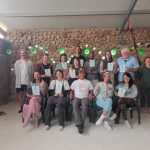
Students designing on our permaculture design course in portugal
Some examples of the tools
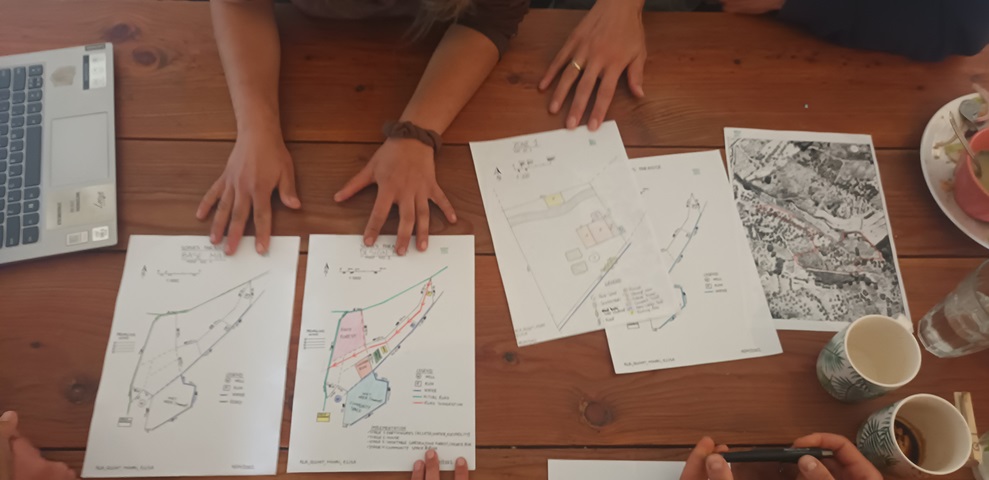
Base maps – A scaled drawing of the site as it actually is: contours, existing structures, water sources, boundaries. Everything else gets layered on top of this.
Sector analysis diagrams – Arrows drawn onto the base map showing sun, wind, water flow, and access, so you can see at a glance what’s hitting the site and from where.
Zone overlays – Concentric or informal zones mapped onto the base map based on realistic frequency of use, not aspiration.
Client/site interviews – A structured way of pulling out what the people using the site actually need, want, and have as resources — money, time, skills, existing infrastructure.
Patterning and stacking functions – Deliberately choosing elements that serve more than one purpose (a hedge that’s also a windbreak, a fodder source, and a boundary marker) rather than single-purpose elements everywhere.
I will publish a full list of tools as some point
None of these tools are complicated on their own. What takes practice is using them together, in the right order, without skipping the observation stage because you’re excited to start digging.
Where to start if you want to actually learn it
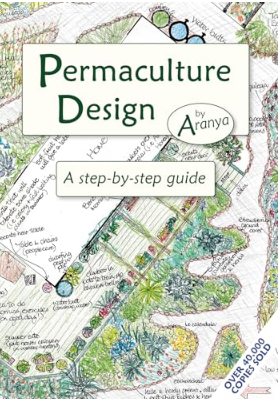
If you want to get into this properly rather than just picking up bits from blog posts, the book that’s still worth starting with is:
It walks through the zones, sectors, and design process in a clear, practical order and is genuinely one of the better starting points before diving into the denser original texts by Mollison. We reference a lot of the same structure in our own PDC course here at the farm.
If you want to see this stuff applied to a real site rather than just read about it, that’s exactly what we cover hands-on in our Permaculture Design Certificate course — worth a look if this post has you curious to go further.
Related Posts:
Permaculture Design Course Schedule by Laurence Manchee August 2, 2026 Permaculture Design Course Portugal Permaculture Design Certificate More Info Thank you, please find more information about or Permaculture Design Course here. It is a big…
Certificate in Applied Permaculture Design - A… by Laurence Manchee December 21, 2023 A Foundation to the Diploma Certificate In Applied Permaculture Design A new residential permaculture design and sustainable smallholding training. Leading to the Certificate in Applied…
Permaculture Apprentice Portugal by Laurence Manchee December 9, 2024 Established permaculture farm Permaculture Apprentice Welcome to the Permaculture apprenticeship program in Portugal. Join our Permaculture community and deepen your skills in community management, permaculture…
Breed Worms Like a Pro by Laurence Manchee December 9, 2024 This article was published in Permaculture Magazine. I have a subscription to this magazine and can highly recommend it. Click here to subscribe to Permaculture…
Erasmus+ KA131 Traineeships in Portugal by Laurence Manchee August 3, 2026 KA131 Student Mobility for Traineeships Erasmus+ Traineeships at Keela Permaculture Farm We host Erasmus+ traineeship students at the farm and education centre here in central…
Erasmus Program Permaculture by Laurence Manchee July 20, 2026 Join us in central portugal for your Erasmus program at our permaculture project Three EU Routes to Visit Keela Permaculture Farm: Erasmus, Erasmus+, and Erasmus…