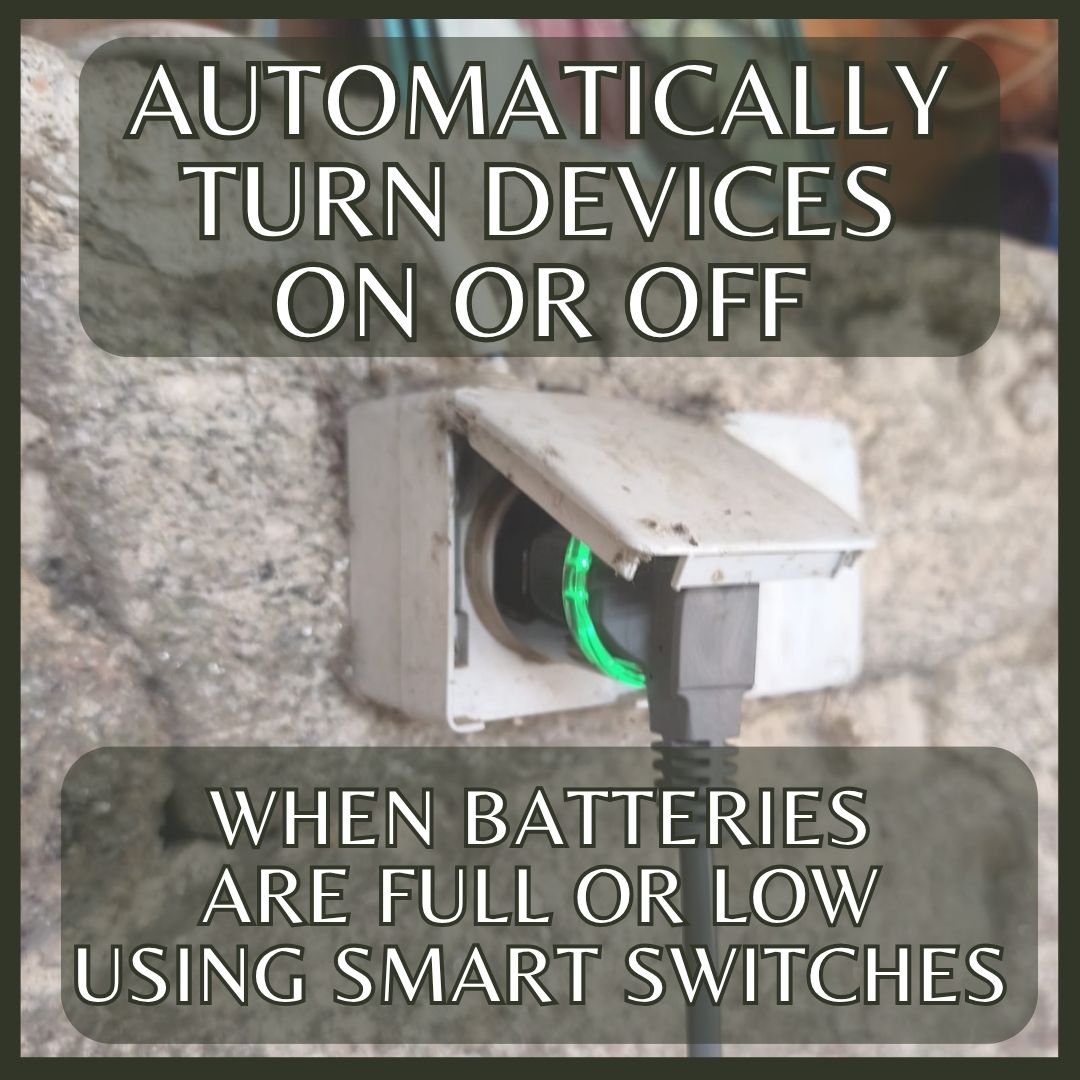
I have finally mastered using smart switches and devices that turn on and off based on my solar system’s battery percentage. The idea is simple: make full use of solar power when the batteries are full, and stop unnecessary things drawing power when the batteries are low. It took a while to get the logic right, but it’s now running quietly in the background across several systems on the farm.
Utilising energy when batteries are full
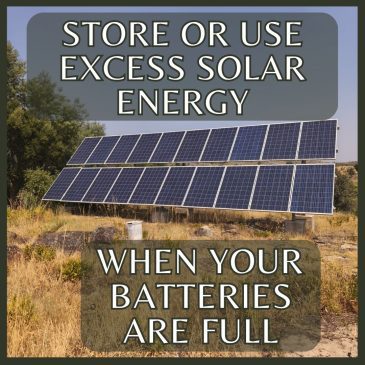
When our batteries are full, the priority is to actually use the extra power rather than waste it. If you’re on-grid you can sell excess back to the grid, but off-grid the panels just stop producing once the batteries are topped up — so any energy that isn’t used in that moment is gone.
In the past we did this manually — turning on heaters, the air-con, or the pumps whenever we saw the batteries were full. The problem was remembering to turn them back off. More than once we’d forget, the sun would go down, and the batteries would drain right down overnight. Now it’s all automate without wiring, all with cheap smart switches so that mistake isn’t possible anymore.
To make use of the excess energy, we’ve set things up so spare power goes into things we’d otherwise be paying for or doing manually:
Heating the house in winter
Heating water for the shower
Running a second pump from our well to irrigate another plantation and to water the ground near the house, keeping the grass green — good for the sheep and useful fire protection in summer
Running the air-con unit as a second heater in winter when there’s power to spare (it just runs as normal cooling in summer)
Filling water tanks
So instead of the energy going nowhere, it ends up stored in hot water, a warm house, and green, irrigated ground.
Stopping batteries draining
The other side of it is making sure things switch off automatically when the batteries are low, usually because of a few cloudy days in a row. Left unmanaged, non-essential loads will just keep draining the batteries down to nothing.
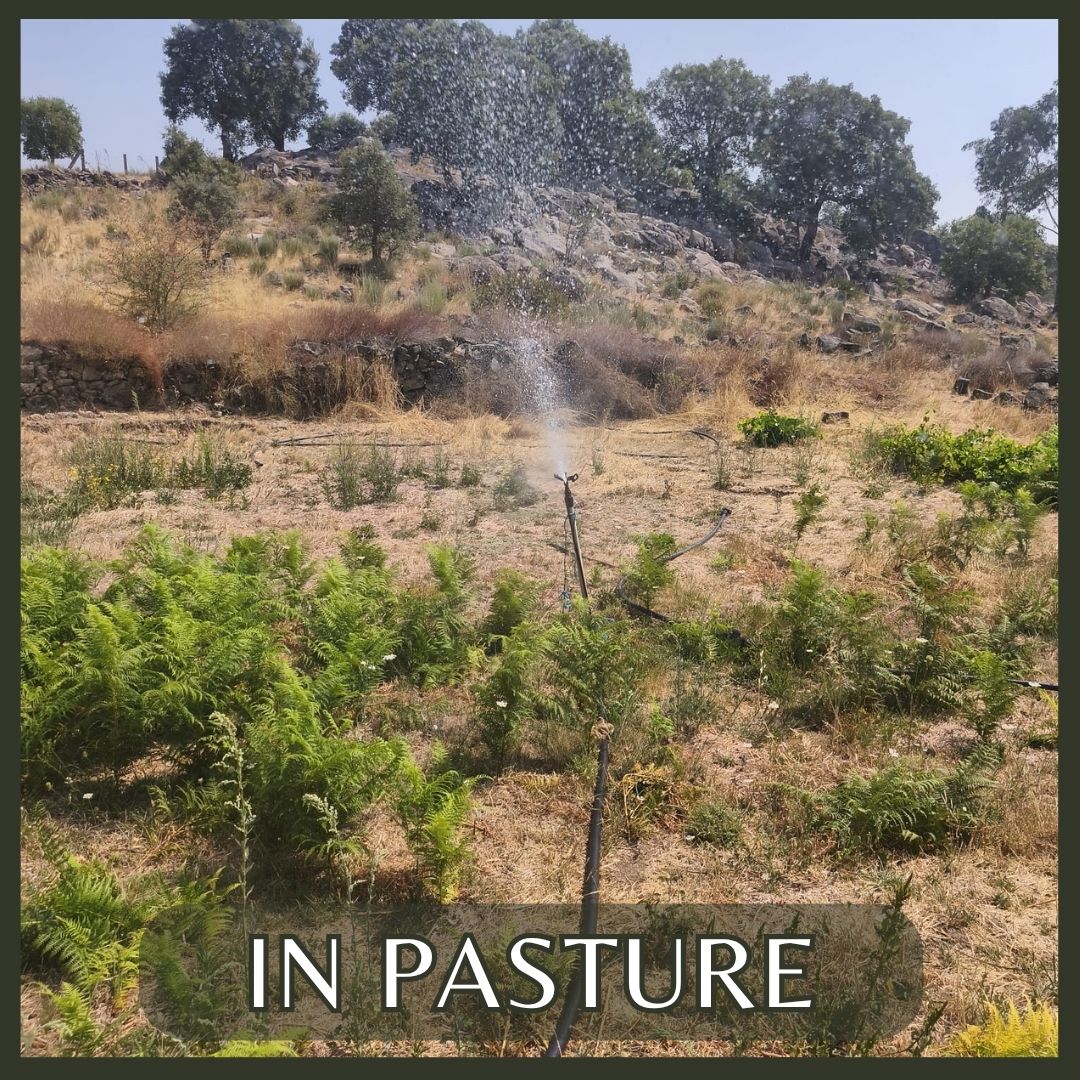
The main one we rely on is our automated irrigation system, which cuts out when the batteries drop below a set level. It’s an easy one to overlook because irrigation often runs on a timer, not tied to anything — but if it’s not linked to the battery state it’ll happily keep draining power you don’t have.
We’ve also set things up so guests can’t run higher-draw appliances — the washing machine or the electric oven — unless there’s enough energy available. It stops someone flicking on the oven at exactly the wrong moment and putting the whole system under strain.
Examples of what we have on the farm
Put together, here’s what’s actually running on this logic day to day:
Irrigation switches off automatically when batteries are low (usually from cloudy weather) and back on once they recover
House heating and shower water heating draw from excess solar power when batteries are full
A second well pump irrigates another plantation and waters ground near the house when there’s spare energy
The air-con unit doubles as a winter heater when power allows
Guest access to the washing machine and electric oven is locked out below a set battery level
Water tank is filled daily when batteries are nearly full for gravity fed taps
This is the general overview of the logic — how we’ve actually wired the different bits of kit together (Victron to Rainbird, Victron to Shelly, and Victron to other smart devices) is more fiddly and specific to the gear, so that’s getting its own posts. I’ll link them here once they’re up.
Sign up to our mailing list of follow us on social media for our upcoming gear-specific write-ups on how to do each connection.
Related Posts:
Permaculture Design Course Schedule by Laurence Manchee August 2, 2026 Permaculture Design Course Portugal Permaculture Design Certificate More Info Thank you, please find more information about or Permaculture Design Course here. It is a big…
Breed Worms Like a Pro by Laurence Manchee December 9, 2024 This article was published in Permaculture Magazine. I have a subscription to this magazine and can highly recommend it. Click here to subscribe to Permaculture…
What is Permaculture Design by Laurence Manchee August 17, 2026 A lot of people hear "permaculture" and think it just means growing vegetables in a slightly hippie way and often ask What is Permaculture Design.…
Erasmus+ KA131 Traineeships in Portugal by Laurence Manchee August 3, 2026 KA131 Student Mobility for Traineeships Erasmus+ Traineeships at Keela Permaculture Farm We host Erasmus+ traineeship students at the farm and education centre here in central…
Erasmus Program Permaculture by Laurence Manchee July 20, 2026 Join us in central portugal for your Erasmus program at our permaculture project Three EU Routes to Visit Keela Permaculture Farm: Erasmus, Erasmus+, and Erasmus…
Erasmus+ Placements in Portugal | Host Organisation by Laurence Manchee August 2, 2026 Permaculture Education in Portugal Erasmus+ Placements Portugal Keela is a working regenerative farm in central Portugal. People come here to learn permaculture, natural building and…